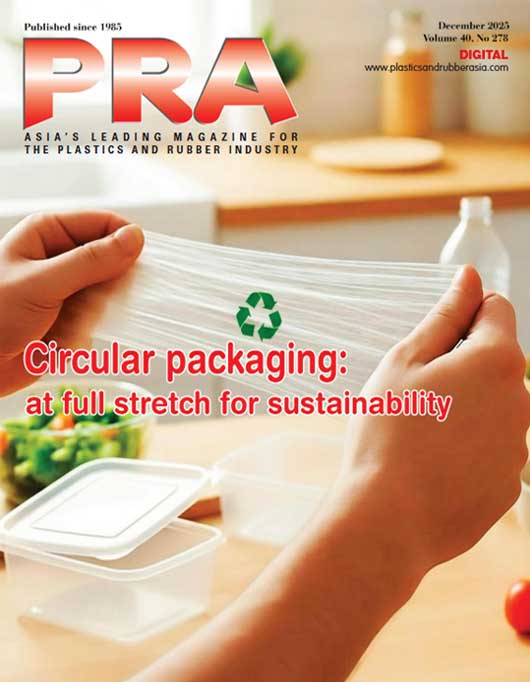
Recycling: A new chapter for recycling-friendly packaging
While there is no quick solution for making packaging fully sustainable, expanding recyclability of packaging and recycling at scale to cover as much packaging as possible are effective steps toward reducing packaging waste, says Angelica Buan in this report.
Packaging takes a new direction
Over the past three years, recyclable packaging has veered toward simpler material structures, greater use of biobased materials, and stricter regulations governing how packaging is designed and recycled. One of the clearest trends is the move toward mono-material packaging, which uses fewer material types and can make sorting and mechanical recycling easier.
Regulation is also pushing companies to rethink packaging design. The European Union’s Packaging and Packaging Waste Regulation (PPWR), which entered into force in 2025, introduces new requirements covering recyclability, packaging minimisation, recycled content, and design for recycling. Most of these requirements apply from August 2026, with further requirements being introduced over the following years. The
PPWR requires packaging placed on the EU market to meet recyclability criteria by 2030, while recycled-content targets will increase over time for certain types of plastic packaging.
EPR gains ground in Asia
Plastic waste remains a major waste management challenge across Southeast Asia. A 2025 World Bank report, "Extended Producer Responsibility for Plastic Packaging in Selected ASEAN Member States" found that rising populations, GDP, and urbanisation in ASEAN have increased the volume of plastic waste, while waste collection and recycling systems remain inadequate.
Nevertheless, recycling rates remain low. The Organisation for Economic Co-operation and Development (OECD) reported in 2022 that only about 9% of plastic waste worldwide was recycled. In major urban areas of Indonesia, Thailand, and Vietnam, only around 8% to 25% of plastic waste is collected for recycling. Limited funding, weak waste segregation, inadequate recycling infrastructure, and policy gaps continue to restrict recovery rates.
Governments across ASEAN are now turning to Extended Producer Responsibility (EPR) as one way to improve plastic waste management. Under EPR, producers take greater responsibility for the collection and treatment of the packaging they place on the market, reducing the burden on public waste management systems.
The ASEAN Framework of Action on Marine Debris, adopted in 2019, recommended the development of EPR policies, followed by the ASEAN Regional Action Plan for Combating Marine Debris in 2021, which called for greater regional cooperation and knowledge-sharing on EPR.
Asia is seeing wider EPR adoption, although countries remain at different stages of implementation, with mandatory producer-responsibility schemes and recycling targets, while countries such as China, India, and Indonesia have introduced stronger measures to reduce plastic pollution. Regional goals also call for higher collection-forrecycling rates, creating greater pressure on producers to design packaging that can enter existing recovery systems.
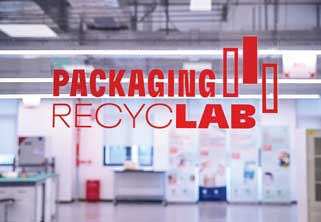
Major packaging sector players such as German multinational company Henkel are also responding to stricter recyclability requirements. For instance, the firm’s Packaging Recyclab Shanghai has passed an official audit by the cyclos-HTP Institute (CHI), allowing the facility to conduct EU paper packaging recyclability tests and issue EU-recognised external assessment reports for customers across Asia-Pacific.
Henkel’s Shanghai facility puts emphasis on packaging performance during recycling, which depends not only on the main packaging material but also on coatings, adhesives and the overall structure. Testing these elements during development allows companies to identify problems before a product reaches the market and generate technical data for recyclability assessment.
Meanwhile, the lab in Shanghai currently focuses on paper packaging, and Henkel is preparing to add plastic packaging recyclability assessments, and plans to include other export packaging categories.
Creating more circular PET bottles
Recent developments in various markets with growing demand for sustainable packaging show how companies are improving the way PET bottles are collected, recycled, and returned to packaging production.
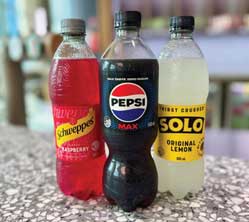
Against this backdrop, beverage maker Asahi Beverages has switched all of its plastic soft drink bottles in Australia to 100% recycled plastic, excluding caps and labels. The change covers major brands such as Schweppes, Solo and Pepsi, which is about 350 million bottles produced in Australia each year that are now made from recycled PET (rPET).
Asahi Beverages has also invested in Australia’s Container Deposit Schemes (CDS) and in two PET recycling plants in New South Wales and in Melbourne. The facilities are part of Circular Plastics Australia, a joint venture between Asahi, UK-headquartered Coca-Cola Europacific Partners and Australian waste management company Cleanaway Waste Management, and specialty packaging company Pact Group.
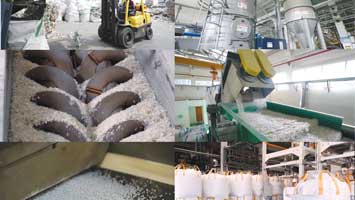
CDS collects used beverage bottles and processes them into rPET, which can then be used to make new bottles. This local supply has allowed Asahi to replace virgin plastic across its Australian soft drink bottle range while reducing its reliance on imported recycled material. Asahi’s investment in collection and recycling facilities has also helped establish this supply chain within Australia.
Over in the Philippines, the country has also begun building a more complete system for recovering PET bottles and turning them into new packaging. Coca-Cola Europacific Aboitiz Philippines (CCEAP) runs “Tapon to Ipon”, a nationwide PET collection programme developed with communities, organisations and local government units.
The programme includes collection points where consumers can return empty PET bottles, including through variety stores partnered with CCEAP, environmental solutions company Basic Environmental Systems and Technologies (BEST), and microretailers organisation Philippine Association of Stores and Carinderia Owners (PASCO).
Collected bottles can then enter the bottle-to-bottle recycling system operated by PETValue Philippines, a joint venture between CCEAP and Thailand-based PET producer/recycler Indorama Ventures.
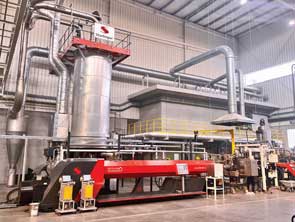
Located in General Trias, Cavite, the facility processes used clear PET bottles through an eight-step recycling process that includes sorting, cleaning, flake production and conversion into pellets for new foodgrade bottles.
Pakistan is also turning to recycling technology to reduce the amount of plastic waste entering its waste streams. PET producer Novatex Ltd has invested in Austrian machinery maker Starlinger’s bottle-to-bottle recycling system that processes post-consumer PET bottles collected mainly through municipal kerbside programmes. The system can produce up to 3,000 kg/ hour of food-contact rPET.
Novatex uses the rPET chips to produce its own PET preforms or sells them locally and internationally, with major brands such as PepsiCo and Coca-Cola using the food-contact-certified material.
This capacity is particularly relevant for Pakistan, which generates an estimated 3.12 million tonnes/year of plastic waste, while only about 4% to 9% is recycled.
(PRA)SUBSCRIBE to Get the Latest Updates from PRA Click Here»