UPM opens world’s largest biorefinery for wood-based biochemicals
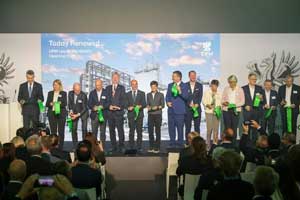
Finnish material solutions company UPM has inaugurated its biorefinery in Leuna, Germany, said to be the largest facility of its kind in the world. With an annual capacity of 220,000 tonnes, it converts lignocellulosic biomass, primarily wood from sustainably managed forests and sawmill residues, into biochemicals. Enzymatic hydrolysis and the production of lignin-derived specialty chemicals have reached stable operation, and UPM is ramping up sales of these products.
The biorefinery uses beechwood from thinnings and sawmill residues, sourced within about 200 km and unsuitable for higher value uses such as timber or furniture. Using enzymatic hydrolysis, it breaks the biomass down into industrial sugars and lignin, renewable raw materials that can replace fossil-based inputs in chemicals production. The facility represents a total investment of EUR 1.37 billion.
The biochemicals will be used in everyday products, from clothing and packaging to cosmetics, construction materials and tires. Many of these are still made from fossil-based raw materials. Manufacturers and brands look for new ways to innovate and differentiate, and the Leuna plant gives them renewable alternatives with the required performance. At the same time, global warming underlines the need for continued de-fossilisation, and a considerable share of consumers look for products made from renewable materials.
UPM's Leuna Biorefinery is also a milestone for Europe's bioeconomy. It shows that renewable carbon-based solutions can move beyond pilot projects into commercial-scale manufacturing, reducing dependence on imported fossil value chains and strengthening supply security.
(PRA)SUBSCRIBE to Get the Latest Updates from PRA Click Here»