BASF: Inaugurates US$1 bn MDI facility in US; to shift PIR production in Europe to renewable electricity in 2027
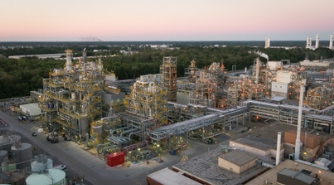
German chemical firm BASF has inaugurated its new methylene diphenyl diisocyanate (MDI) production facility at the company’s site in Geismar, Louisiana. The ceremony marks the on-time completion of BASF’s largest wholly owned investment project to date in North America with a total volume of approximately US$1 billion. The expansion almost doubles the annual MDI production capacity at the Geismar site to approximately 600,000 tones.
MDI is a key raw material used in the production of polyurethanes, a high-performance plastic contributing to energy efficiency, durability and performance in a wide range of applications. The additional production capacity in Geismar will support the long-term growth of BASF’s customers in applications including construction, appliances, transportation, automotive, footwear, furniture and other polyurethane-based industries.
The project was executed in three phases beginning in 2018. A new MDI synthesis unit was commissioned in 2020, followed by expansions of several upstream units in 2021. The final phase included new upstream units and a splitter, incorporating state-of-the-art technology, advanced digitalisation and safety standards.
The additional capabilities increase production flexibility and strengthen BASF’s reliable and competitive supply of MDI in North America. As part of the expansion, BASF also increased its aniline production capacity in Geismar, strengthening the site’s integrated value chain and creating additional availability to serve North American customers in the agricultural chemicals, rubber and dyes and pigments industries.
The Geismar site in Louisiana is BASF’s largest in the US, benefiting from integrated infrastructure, reliable raw material supply and operational synergies.
BASF says it has a strong local footprint in the US with more than 150 locations across 40 states. In 2025, approximately 90% of the EUR13.1 billion sales came from products manufactured in the country.
In other news, BASF says it is shifting its eligible polyisobutene (PIB) portfolio produced in Europe for external customers to run entirely on renewable electricity. The full transition of eligible Oppanol B and Glissopal to 100% renewable electricity will be completed from January 2027. This can be achieved by combining renewable power already used at BASF’s sites with additional volumes attributed through a mass-balance chain-of-custody approach.
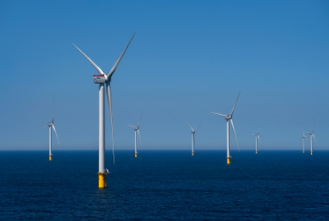
In Ludwigshafen and Antwerp, this includes power from the Hollandse Kust Zuid offshore wind farm, co-owened by BASF, and long-term power purchase agreements.
This also contributes to BASF’s sustainability target of sourcing more than 60% of its electricity from renewable sources by 2030.
Renewable electricity will become the new standard for eligible European PIB products and the transition will be seamless: no product requalification is required, and existing sales articles will remain unchanged. In addition, BASF offers Glissopal and Oppanol B grades with a 100% cradle-to-gate Product Carbon Footprint reduction (ZeroPCF products). This provides customers with additional options to reduce the Product Carbon Footprint of their products, depending on product composition and the PCF methodology applied.
Customers use PIB products in a wide range of applications, from fuels and lubricants to the production of products such as chewing gum, window seals, stretch films, adhesives, automotive sealants, pipelines and electronics.
(PRA)SUBSCRIBE to Get the Latest Updates from PRA Click Here»