Green news: UPM acquires IP from Avantium for bio-based glycols; Hyosung TNC opens bio-BDO plant in Vietnam
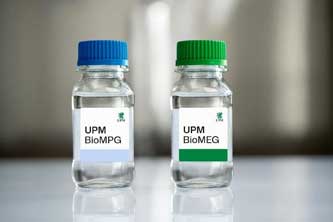
Helsinki-based UPM has announced that it has reached an agreement with Avantium N.V. to acquire the intellectual property related to Avantium's Ray Technology, a process for the production of bio-based mono-ethylene glycol (MEG) and mono-propylene glycol (MPG) from plant-based sugars. The transaction comprises Avantium's patent portfolio and invention disclosures related to Ray Technology and is for UPM not material in financial terms. The strategic value lies in the expansion of UPM's intellectual property position across the conversion of lignocellulosic biomass to bio-based glycols.
The acquisition strategically broadens the scope of UPM's IP portfolio safeguarding biomass-to-glycols conversion pathways and adds optionality for future process configurations as UPM continues to scale its bio-based chemicals business. It reinforces UPM's standalone position as the first company to bring lignocellulosic biomass-based chemicals production to industrial scale, currently being started up at the UPM Leuna biorefinery in Germany. The close alignment with Avantium also supports the rapid development of a strong industrial bioeconomy in Europe, which can be expected to scale faster with multiple industrial options entering the market in parallel.
" Harald Dialer, Chief Technology Officer at UPM & Executive Vice President UPM Next Generation Renewables, added, "Combining Avantium's Ray Technology patent estate with our own platform broadens our future process options and solidifies the premium market position we have obtained with our 100% UPM Bio PET. This transaction confirms UPM's role as a frontrunner in building a competitive European industrial bioeconomy."
In other news, South Korea’s Hyosung TNC, the world's largest spandex manufacturer, has opened an industrial-scale plant for biobased 1,4-Butanediol (bio-BDO) in Phu My II Industrial Park, Ho Chi Minh City, Vietnam. The US$1 billion facility has been designed to connect sugarcane-based inputs with multiple downstream value chains as demand for lower-impact materials grows.
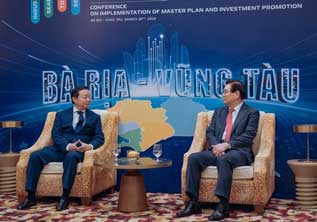
The Vietnam facility has an initial annual capacity of 50,000 tonnes of Bio-BDO, with infrastructure in place to support further scaling-up to 200,000 tonnes/year as the market for biobased intermediates develops. Unlike conventional BDO, which is derived from coal-based or petrochemical feedstocks, Hyosung's Bio-BDO utilises proven fermentation technology from US partner Geno to convert sugars from sugarcane directly into 1,4-Butanediol.
For chemical product manufacturers, Hyosung’s Bio-BDO is chemically identical to conventional fossil-derived BDO. It is designed as a direct drop-in replacement requiring no modification to existing downstream assets or production processes and without compromising performance or end-user experience, it adds.
This creates a pathway for manufacturers and producers of polyurethane systems, tetrahydrofuran (THF), polybutylene terephthalate (PBT), gamma-butyrolactone (GBL), biodegradable packaging and hygiene elastics to gradually increase their use of renewable feedstocks. This is all in line with their own transition plans without capital expenditure on process retooling.
Bio-BDO is a foundational chemical intermediate with applications spanning PU resins, spandex, engineering plastics, speciality solvents such as GBL and fine chemical intermediates. Hyosung’s Vietnam facility is intended to bring a commercially viable, certified biobased source of this molecule to market at meaningful industrial scale for the first time.
The facility and its products hold International Sustainability and Carbon Certification Plus (ISCC PLUS), SGS EEPS certification for 70% biobased content, and OEKO-TEX Standard 100 safety approval. Hyosung is also pursuing USDA Bio Preferred status for Bio-BDO, targeted for the third quarter of 2026. Preliminary carbon footprint data is also available, with results based on actual production targeted for the third quarter of 2026.
This development represents an important step in Hyosung’s integrated bio-materials platform. The company is expanding its role beyond fibre supply into circular production of industrial biomaterials that support future applications across textiles, plastics and speciality chemicals.
The Vietnam site forms part of the company’s long-term transition pathway from fossil-based inputs to sugarcane-derived bio-BDO, bio-PTMG and, ultimately, biobased spandex with a connected value chain.
Compared with multi-stage conversion processes using corn starch or lignocellulosic feedstocks such as wood pulp, sugarcane offers a more efficient single-step fermentation pathway to Bio-BDO. All sugarcane is sourced from Brazil and verified under the VIVE Sustainable Supply Programme, which ensures independent rigorous sustainability and traceability standards are met from field to factory gate.
(PRA)SUBSCRIBE to Get the Latest Updates from PRA Click Here»