Recycling closures: Plastic Energy enters administration due to tight cash flow; Viridor to cease European chemical operations
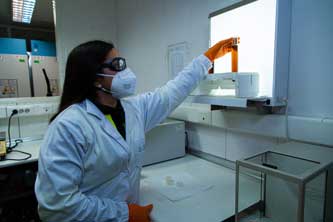
After 14 years in business, UK-based chemical recycling firm Plastic Energy has entered administration due to cash flow problems.
The company developed a pyrolysis process that converts end-of-life plastics into feedstock, helping replace fossil fuels in the production of virgin plastics while diverting plastics waste from landfill and incineration. its patented process heats plastics in the absence of oxygen to form hydrocarbon vapours. These vapours are condensed into a recycled oil, called Tacoil. The synthetic output is then stored for sale to petrochemical partners.
The business employs 200 people across the UK, Singapore, Malaysia, Spain, France, and remotely.
In a statement, administrators said there was insufficient liquidity within the group to execute a turnaround plan, due to a European market downturn and accordingly it has been unable to evidence sustainable operations.
Plastic Energy S.L.U., the entity that owns and operates the two plastics recycling plants in Seville and Almeria, Spain, has not entered any insolvency process, and those sites continue to operate as normal.
The administrators goal is to sell the group’s primary assets, including the intellectual property and patents held, the shares in group entities (including Plastic Energy S.L.U. holding the recycling plants) and the joint venture interests, to maximise returns for creditors.
In related news, with plastics recycling markets in the EU and UK remaining under significant pressure, with weak demand due to no clarity in regulations and low-cost virgin imports making the sector commercially unreliable without policy changes, another UK-based recycler Viridor is proposing to cease its European chemical recycling operations at its Quantafuel plastics-to-liquids (Ptl) pyrolysis facility in Skive, Denmark, as well as related activities in Malmö, Sweden, and Oslo, Norway, subject to local consultation and negotiation processes.

It has called for essential policy changes to make advanced plastics recycling investable, stating that current market conditions in the European Union and the UK do not support investment at the pace or scale required.
The firm added in a statement, “Advanced plastics recycling can play an important role in the circular economy. It can help process hard-to-recycle plastics that cannot be recycled through conventional mechanical methods, turning them back into usable material, including for food and medical-grade applications, reducing waste and cutting the need for new production.”
Since acquiring the Quantafuel platform, Viridor has achieved dry yields of 70-75% at its Skive Plastics-to-Liquids plant in Denmark, supported by improved operations and development project costs, and increased line availability and overall utilisation. The high performing operation has also proven the ability to successfully recycle contaminated household plastics, it adds.
In the EU and the UK, plastics recycling markets are under significant pressure. Demand for recycled material has weakened, while cheaper virgin materials continue to undercut recycled alternatives. At the same time, policy and regulation in both markets are not creating the certainty, enforcement or long-term support needed to unlock investment at scale.
Viridor is calling for essential policy action to help create a commercially viable market for advanced plastics recycling, including:
- Stronger measures to ensure European plastic waste is recycled in Europe, rather than being undercut by cheaper virgin plastics, imported materials or weaker enforcement.
- Clear, enforceable recycled-content requirements in the EU and the UK, with confirmed timelines and meaningful consequences for non-compliance, so businesses have confidence that demand for recycled materials will materialise from 2030 and can invest accordingly.
- Quick implementation of harmonised & consistent end-of-waste rules across Europe and the UK for chemically recycled plastics.
Should Viridor cease its chemical recycling operations, this would have no impact on the day-to-day operations of Resource Denmark’s mechanical Recycling and Decarbonisation business, which continues to perform and scale, it added further.
(PRA)SUBSCRIBE to Get the Latest Updates from PRA Click Here»