Plants: Lubrizol/Grasim inaugurate CPVC resin plant in Gujarat; Ineos’s 2027 restart of phenol plant in Antwerp postponed
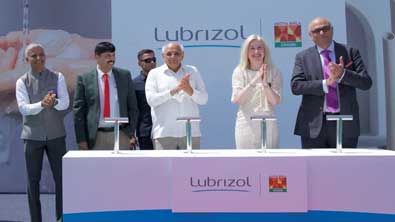
Chemical firm Lubrizol, together with Grasim Industries Limited, recently inaugurated a Chlorinated Polyvinyl Chloride (CPVC) resin manufacturing facility in Vilayat, Gujarat. The new plant, along with the recently enhanced CPVC compounding capacity at Lubrizol’s Dahej facility, creates an integrated CPVC manufacturing plant for plumbing and piping solutions.
The Vilayat plant expands Lubrizol’s ability to deliver end-to-end CPVC solutions for India’s growing infrastructure needs, ensuring local supply of CPVC resin and compounds used in pipes and fittings across residential, commercial, and industrial applications. This integrated manufacturing footprint reinforces supply chain resilience while supporting the country’s focus on infrastructure development and safe water delivery.
“Lubrizol introduced CPVC technology to India more than two decades ago, and since then, we have witnessed strong growth of the market alongside the country’s expanding economy,” said Abhishek Shrivastav, Managing Director, Lubrizol IMEA. “With the commissioning of this world-class facility in Vilayat, we are strengthening our manufacturing capabilities in India by following a local-for-local approach. This investment underscores our long-term commitment to India by enabling consistent access to high-quality, locally produced materials backed by Lubrizol’s global standards of innovation, reliability, and performance.”
The commissioning of this facility marks an important milestone in Lubrizol’s 60 year presence in India and reflects the company’s continued investment in local manufacturing, aligned with the “Make in India” vision.
CPVC is a high-performance material widely used in hot and cold-water systems, fire sprinkler networks, HVAC, and industrial piping applications due to its superior heat resistance, corrosion resistance, durability, and hygiene. Its performance characteristics make it a preferred material for modern infrastructure projects requiring long service life and dependable water delivery.
Reinforcing this long-term commitment to India, Lubrizol has also recently commissioned a Global Capabilities Centre in Pune, expanded capacity at its CPVC compounding plant in Dahej, expanded its Vikhroli Mumbai office, progressed its CPVC resin manufacturing partnership with Grasim Industries, and announced a dedicated India Innovation Centre.
In other news, due to slow market recovery Ineos Phenol says that its plant in Doel, Belgium, that was planned to restart next year will be now be delayed.
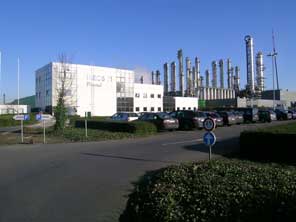
A possible late 2027 restart had previously been announced in June of last year. However due to continued volatile market conditions in the European and global markets, on both supply and demand, the economic conditions required for a restart have not yet been sustainably reached and therefore a delay is necessary, the company said.
An example of the volatile market conditions is the European automotive industry, a major consumer of Ineos Phenol’s products, where demand for European produced cars has been under severe pressure due to significantly increased imports of Chinese cars.
This directly impacts phenol and acetone demand in Europe. In addition to pressure on the demand for European petrochemical production high energy costs and carbon taxation in Europe, costs that our competitors do not have, have also made European petrochemical production economics extremely challenging.
However, Ineos Phenol’s other operating site in Gladbeck (Germany) will continue production beyond 2027. The announcement was made now because resuming production at Antwerp next year would require preparation to begin immediately, it added.
In the meantime, the site in Antwerp continues to provide logistics services to supply its local customers. Importantly all necessary investments are being made to maintain the Ineos Phenol Doel plant and preserve the option to restart when market conditions have sustainably recovered to support this and all options remain open, the company furthered.
The Ineos Phenol site employs about 150people with an annual production capacity of 680,000 tonnes. In Europe, Ineos Phenol produces phenol, acetone and alpha-methylstyrene (AMS), basic chemicals used for a variety of industrial applications.
Phenol, via the intermediate bisphenol A (BPA), is mainly processed to produce polycarbonate, epoxy resins, phenol formaldehyde resins (PF resin) and nylon. The automotive and construction industries are the main end users for headlights, bumpers, the housing of mirrors and airbags, safety glass, wall plates and insulation materials, among others.
The main application of acetone is plexiglass and solvent, which is used for drugs and adhesives, among others. AMS is used to produce heat-resistant ABS with application in the automotive industry. Other applications can be found in textiles (bicycle and ski clothing), inks and paints, electronics (screens of smartphones and laptops) and the blades of wind turbines.
(PRA)SUBSCRIBE to Get the Latest Updates from PRA Click Here»