Sabic to divest European plastics/petchem assets for US$950 mn to German buyers
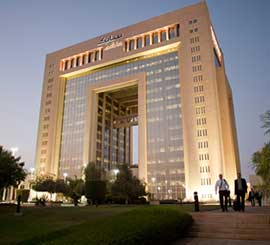
Saudi Arabia-based chemical firm Sabic is to sell its European petrochemical business and its Engineering Thermoplastics operations across Europe and the Americas for a combined enterprise value of US$950 million, in line with its restructuring effort as the global chemicals industry struggles due to weak demand, lower margins and overcapacity.
Sabic will divest its European petrochemical (EP) business to Munich-based investment firm Aequita for an enterprise value of US$500 million. The unit includes manufacturing assets in the UK and Germany and is exposed to some of the most challenging operating conditions in the global chemicals market, including high energy costs, tighter environmental regulations, and subdued industrial demand.
It will also sell its Engineering Thermoplastics (ETP) business in Europe and the Americas to German holding company Mutares for US$450 million. The business operates production sites in Canada, the US, Brazil, and Spain, supplying specialty plastics used in sectors such as automotive, electronics, and industrial applications.
While engineering plastics typically offer higher margins than basic chemicals, the segment has also faced low demand and pricing pressure as global manufacturing activity has slowed down.
The divestments form part of a wider restructuring as the chemicals industry contends with one of its most prolonged slowdowns in years. Demand from key end markets such as construction, automotive, and consumer goods has remained weak, particularly in Europe and China, while years of aggressive capacity expansion — especially in Asia and the Middle East — have left the market oversupplied. This has squeezed margins and forced producers to reassess asset portfolios and capital allocation.
Sabic said it is divesting lower-return operations to focus more tightly on its core chemical businesses, where it believes it can generate more resilient margins and stronger cash flows over the cycle.
The moves also reflect broader pressures from Sabic’s majority shareholder. The company is 70% owned by Saudi oil giant Aramco, which has been pursuing cost discipline and selective asset sales as it balances capital expenditure plans with lower oil prices and large shareholder distributions.
Sabic said the latest disposals are expected to improve overall core profit margins and enhance free cash flow generation over time, even though they reduce the company’s international footprint.
(PRA)SUBSCRIBE to Get the Latest Updates from PRA Click Here»