Green news: Prysmian/Versalis partner on chemical recycling of plastic cable scrap; UPM starts up Leuna biorefinery in Germany
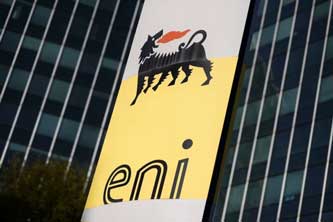
Prysmian Group, an Italy‑based multinational specialising in the design, manufacture, and installation of cables and systems, has entered into a partnership with Versalis, the chemical business of Eni, to recycle plastic cable scrap using an advanced chemical recycling process, with the aim of creating a dedicated circular supply chain.
Under the agreement, Prysmian will collect plastic waste from its own manufacturing operations as well as from decommissioned cables supplied by major customers. Versalis will then process the material at its Mantua site in Italy using its proprietary Hoop technology. The process converts the plastic scrap into pyrolysis oil, which is subsequently transformed into new feedstock for plastic polymers.
These recycled polymers will be reintroduced into Prysmian’s production processes for the manufacture of new high-performance cables. The initiative addresses a long-standing challenge in the sector, as energy cables are often insulated with cross-linked polyethylene (XLPE) and other polymer layers that are difficult to recycle using conventional mechanical methods.
Prysmian estimates that Versalis’s Hoop chemical recycling technology will enable around 60% of XLPE scrap to be recovered and reused in the production of new cables. The companies said the partnership marks the first time that a cross-linked cable containing all polymeric layers together can be chemically recycled at scale, supporting the development of a circular model for the cable industry.
Srinivas Siripurapu, Chief Sustainability, Innovation and R&D Officer at Prysmian, said the agreement would allow the company to “give new life to old scrap”. He added that the first pilot project is expected to begin in Italy in the second half of 2026, describing it as another step in reducing the environmental impact of Prysmian’s supply chain and associated emissions.
In other news, Helsinki-based materials firm UPM says it has achieved a milestone in the start-up of production of commercial, wood-based chemicals in its Leuna biorefinery in Germany. The refinery, which is the largest industrial-scale investment in biochemicals in Europe, has started the production and commercialisation of industrial sugars.
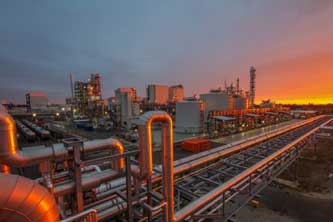
After successfully starting up the hydrothermal breakdown of wood on industrial scale earlier this year, the biorefinery has now reached stable operation in separating lignin and sugars. This critical process step is a prerequisite for the conversion of sugars to renewable glycols and lignin to renewable functional fillers.
Consumer brands are interested in renewable materials that offer significant CO2 saving potential compared to fossil products and existing recycled or renewable alternatives. Glycols can be used, for example, in PET packaging, polyester textiles, and cosmetics, while lignin-based renewable functional fillers offer a sustainable replacement for carbon black and silica in rubber and plastic applications.
UPM expects to enter the market with further commercial products from Leuna in the first half of 2026. Once fully operational, the facility will produce annually 220,000 tonnes of advanced biochemicals derived from sustainably sourced hardwood.
The Leuna biorefinery plays a key role in enabling the transition from fossil-based to renewable materials across multiple industries. UPM’s broader strategy aligns with the EU’s ambitions for decarbonisation and industrial competitiveness, positioning bio-based innovation as a growth engine for Europe.
(PRA)SUBSCRIBE to Get the Latest Updates from PRA Click Here»