India, Singapore, Taiwan on sustainability drive
India mandates 40% rPET use in food packaging
Since recycling plays an important role in creating sustainability in the plastics sector, and policies like minimum recycled content in end products are a step forward, countries are taking a keen interest in this. For example, in India, effective 1 April, brands and producers are required to use 40% recycled content in packaging.
This measure also sets out how companies can make up any shortfall against the mandatory recycled-content target for 2025/26. In a draft notification from June 2025, the Ministry of Environment, Forest and Climate Change (MoEFCC) had already proposed allowing brands and producers to offset gaps in meeting the 30% r-PET requirement for food contact uses in 2025/26 over the following three years.
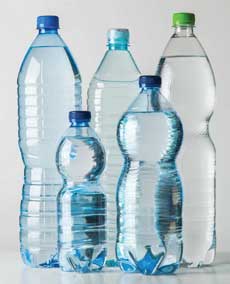
The Plastic Waste Management Rules set a 30% recycled-content obligation for rigid plastic packaging from 2025/26. The threshold is set to rise by 10% each year to reach 60% in 2028/29 and thereafter.
With the Centre notifying mandatory norms for use of 40% recycled content, Association of PET Recyclers Bharat said that rPET makers have established facilities with a total capacity of about 300,000 tonnes with investments to the tune of US$1 billion.
The industry body said that with this India is wellpositioned to cater to 50% of the total PET requirement for bottle applications through recycled material.
Earlier in March this year, the Food Safety and Standards Authority of India (FSSAI) had also granted approvals to 17 rPET manufacturing plants. The companies include Dodhia Industries, Ganesha Ecopet, JB Ecotex, Ribotl Solutions, and Srichakra Polyplast, adding on a collective capacity of 300,000 tonnes to India’s circular packaging infrastructure.
A statement from APR said: “The FSSAI’s move granting final licences will help strengthen India’s packaging supply chain at a time when virgin PET faces global pressures in the wake of the Iran-Israel war.”
Singapore launches first deposit return scheme in SEA
Meanwhile, Singapore has become the first Southeast Asian nation to launch a nationwide deposit return scheme (DRS). The country adds that the implementation of DRS is a transformative step in advancing circularity, reducing waste, and increasing high quality recycling across the nation. The launch of the Beverage Container Return Scheme (BCRS) marks a major milestone in Singapore’s environmental strategy.
The nationwide scheme is designed to make recycling more convenient, more accessible, and more effective for residents and businesses alike.
As of 1 April 2026, Norwegian multinational corporation manufacturing collection and sorting products, Tomra Collection, has deployed 350 reverse vending machines (RVMs) across the Central and North Eastern regions of Singapore, all going live as the scheme launches.
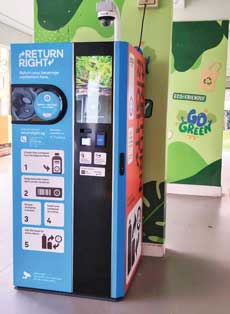
These machines allow consumers to easily return eligible used beverage containers and receive their deposit refund via digital payment solutions (EZ-Link cards, concession cards or DBS PayLah! Wallets), ensuring each container can be collected, sorted, and recycled.
While deposit return systems in Australia, Europe, and North America often follow a return to retail model, Singapore’s BCRS takes a hybrid approach tailored to the country’s dense urban layout, consumer behaviour, and existing infrastructure.
Tomra adds that RVMs will be available not only in retail stores and supermarkets, but also in publicly accessible locations such as HDB void decks, hawker centres, town centres, high footfall public areas, higher education campuses, major tourist attractions, etc.
Taiwan’s programme to defuse panic buying of plastic bags
Elsewhere, the Taiwanese government has launched what it calls an “affordable plastic bag” programme to stabilise local supply, and promote reuse schemes, after disruptions to petrochemical feedstocks, with the Middle East war having triggered panic buying across the island.
Under the program, state-run CPC Corp will allocate 5,000 tonnes of additional ethylene from its No. 4 naphtha cracker in Kaohsiung to Formosa Plastics Corp to produce PE to manufacturers of plastic bags.
CPC said the facility’s production capacity has been raised to about 79,000 tonnes from just over 60,000 tonnes, which could help ease a shortfall in raw materials for downstream plastic products.
The ministry expects the higher output of such materials to help stabilise plastic bag supply and prices, since small plastic bags and inner bags are in short supply.
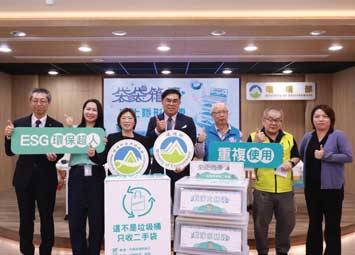
Meanwhile, the country’s environment ministry is expanding a nationwide reuse initiative to curb demand for new plastic bags and reduce pressure on supply chains. The programme, which encourages households to donate unused paper and reusable bags, connects supply with retailers and traditional markets through a matching platform. Businesses can set up lowcost collection points using standardised designs provided by the government.
It introduced a pilot programme at Taipei’s Jianguo Flower Market, which showed the share of plastic-free purchases rose to 10% from 1.5% after introducing secondhand bag circulation, according to the ministry.
The initiative also aims to strengthen resource circulation and reduce costs for businesses amid volatile external conditions, while encouraging corporate participation as part of environmental, social and governance (ESG) efforts.
(PRA)SUBSCRIBE to Get the Latest Updates from PRA Click Here»