2026 - 2027 Exhibitions
Expansions: Syensqo brings aromatic compounding capability to India; BASF ups capacity for acid chlorides and chloroformate in Germany
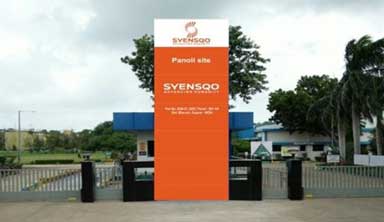
Brussels-based materials firm Syensqo says it is investing in a new compounding line for high-performance aromatic polymers at its Panoli site in India, strengthening its ability to serve customers in one of the world’s fastest-growing automotive markets.
Planned to be operational by Q1 2028, the new line will double Syensqo’s current compounding capacity at Panoli and will be the first asset in a modular compounding hub designed to provide flexibility across Syensqo’s aromatic polymers portfolio. It will be capable of compounding a broad range of materials, including Ryton polyphenylene sulphide (PPS), KetaSpire polyetheretherketone (PEEK), Amodel polyphthalamide (PPA) and Ixef polyarylamide (PARA).
The investment strengthens Syensqo’s supply capabilities in India, serving local and global automotive manufacturers and suppliers while also addressing opportunities in other industries. It also aligns with the broader localisation of manufacturing and supply chains encouraged by the government.
Syensqo’s aromatic polymers are used in automotive applications where high-temperature and chemical resistance, mechanical performance and lightweighting are critical.
The investment builds on Syensqo’s established manufacturing and Research & Innovation presence in India.
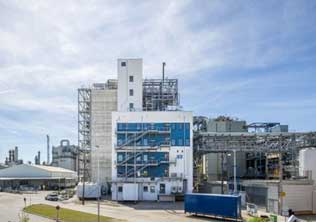
In other news, German chemicals firm BASF inaugurated its fully modernised plant for the production of acid chlorides and chloroformates (ACCF) at the Ludwigshafen site.
The investment, amounting to a low three-digit million-euro sum, includes a fundamental renewal of the production infrastructure for acid chlorides and chloroformates and increases production capacity at the site by approximately 30%. BASF is one of the world’s leading manufacturers of these products with production facilities in Ludwigshafen, Germany, and Yeosu, South Korea.
Since 2025, BASF says it has also produced its entire Ludwigshafen portfolio of around 25 acid chlorides and chloroformates using renewable electricity credits, including all upstream raw material processes. This transition has reduced the portfolio’s product carbon footprint by an average of 19% and supports customers in advancing their Scope 3 emission‑reduction efforts, without changes to product specifications, certifications or ordering processes.
The products from the ACCF portfolio serve as essential building blocks across a wide variety of value chains. Customers use them in a broad range of applications, including pharmaceuticals, crop protection products, organic peroxides, coatings, plastics and rubber mixtures. The expanded capacity is expected to help BASF meet growing global demand while supporting reliable supply of these important intermediates.
Subscribe to Get the Latest Updates from IMA Please click here








©2026 Injection Moulding Asia. All rights reserved.